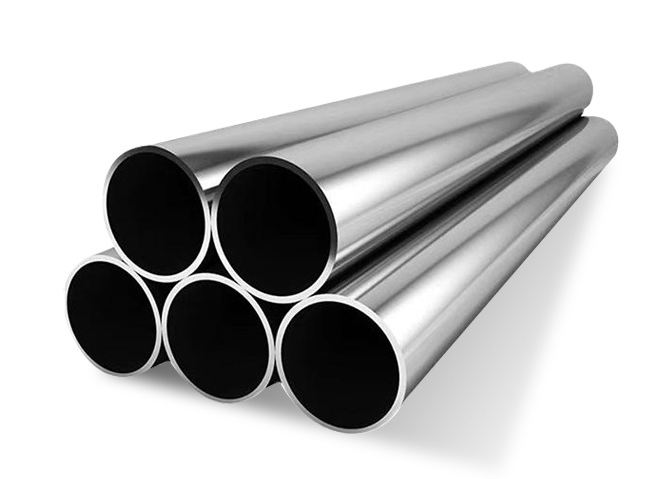
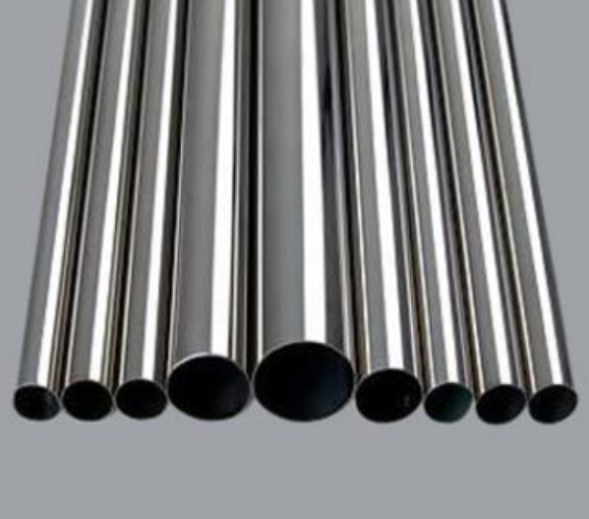
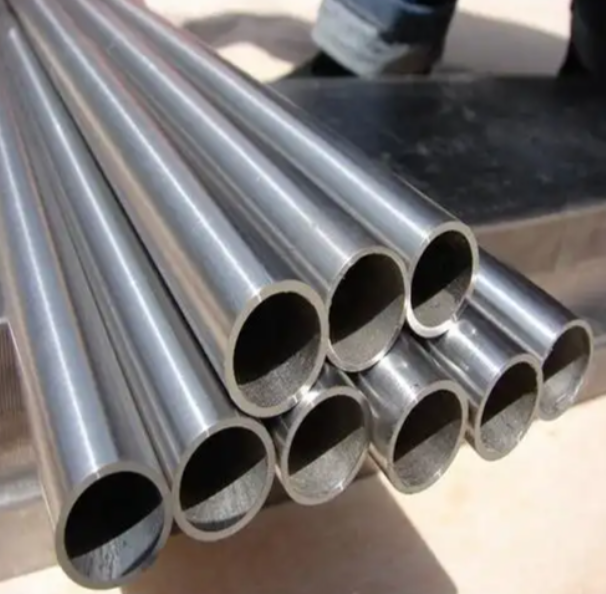
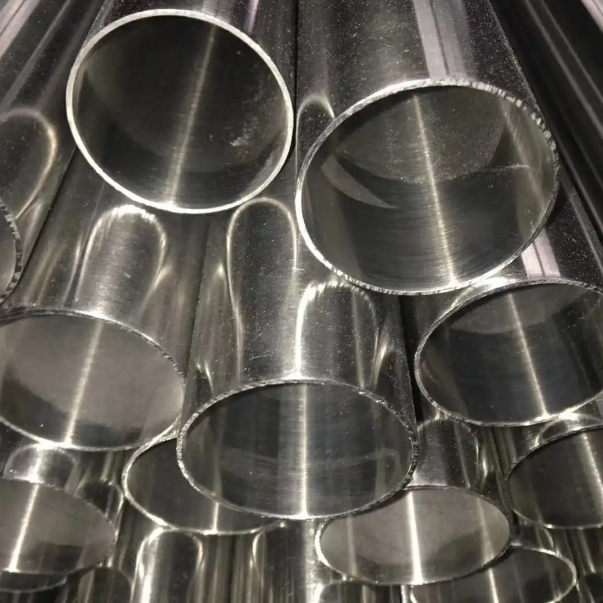
305 Stainless Steel Pipe
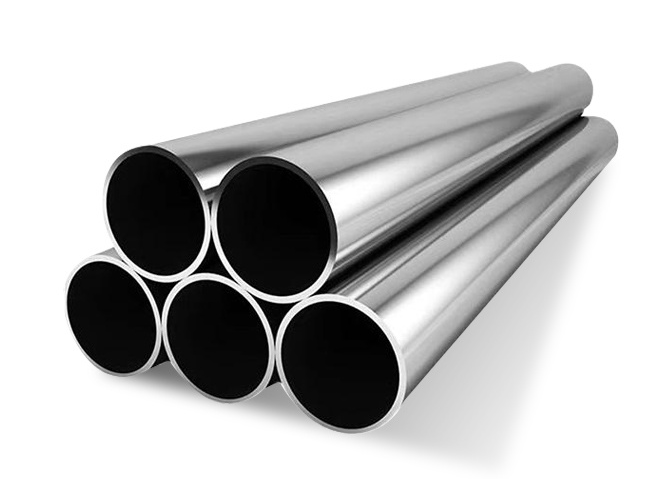
The 305 Stainless Steel Pipe is a specialized austenitic chromium-nickel stainless steel, distinguished by its uniquely high nickel content (typically 10.5–13%). This elevated nickel level stabilizes the austenitic structure at room temperature, granting the alloy exceptional ductility and formability. Unlike the more common 304 or 304L grades, 305 is not primarily chosen for its corrosion resistance but rather for its remarkable ability to withstand severe cold working and deformation without fracturing. It is a niche but critical material for applications involving complex fabrication and extensive machining.
Material Properties & Chemical Composition
The defining characteristic of 305 stainless steel is its chemical balance. While it contains a similar amount of chromium (~18%) to 304 for basic passivity, its increased nickel content pushes the composition closer to the "fully austenitic" region of the Fe-Cr-Ni diagram. This compositional shift has two major effects: it lowers the work-hardening rate compared to 301 or 304, and it ensures that the steel remains stable and non-magnetic during cold working operations. The result is a material that can be drawn, spun, or bent to extreme degrees without becoming brittle or developing significant magnetism.
Manufacturing Process
305 stainless steel pipes are typically produced via two main routes:
Seamless Production: A solid 305 stainless steel billet is heated and pierced, then extruded or rolled over a mandrel to form a hollow tube. This method yields a pipe with uniform wall thickness and excellent structural integrity, ideal for high-pressure or high-precision applications.
Welded Production: A flat strip of 305 stainless steel is formed into a tubular shape and welded longitudinally, usually via TIG (Tungsten Inert Gas) welding. Given the excellent weldability of 305, this process creates a strong, clean joint suitable for many industrial uses.
Both production methods are followed by solution annealing (heat treatment at approximately 1010–1120°C) and rapid quenching (water cooling) to dissolve any carbides and restore the soft, ductile austenitic structure. Pipes may also undergo pickling or electropolishing to optimize the surface finish.
Key Features & Advantages
Extreme Formability: The primary advantage of 305 stainless steel. It possesses the highest ductility among the standard austenitic grades, making it the premier choice for severe deep drawing, spinning, and cold heading operations.
Non-Magnetic Stability: Remains essentially non-magnetic even after extensive cold working, unlike 304 which can become slightly magnetic. This is crucial for sensitive electronic or scientific equipment.
Good Weldability: Welds easily using standard techniques, producing sound joints without excessive hardening in the heat-affected zone.
Lower Work-Hardening Rate: Compared to 301 or 304, 305 work-hardens at a slower rate, reducing tool wear and power consumption during fabrication.
Common Standards & Specifications
305 stainless steel pipes are manufactured to meet stringent international standards, ensuring consistency and performance:
ASTM A312: Standard Specification for Seamless, Welded, and Heavily Cold Worked Austenitic Stainless Steel Pipes.
ASTM A213: Standard Specification for Seamless Ferritic and Austenitic Alloy-Steel Boiler, Superheater, and Heat-Exchanger Tubes.
UNS S30500: Unified Numbering System designation.
EN 1.4303: European standard designation (X5CrNi18-12).
Primary Applications
Due to its specialized properties, 305 stainless steel pipe is used in highly specific scenarios:
Deep Drawn Components: Ideal for manufacturing parts like bellows, expansion joints, and complex architectural shapes that require extensive deformation.
Fasteners & Hardware: Used for cold-headed bolts, screws, and rivets where high ductility is required during the heading process.
Electronic & Electrical Components: Non-magnetic housings and conduits for sensitive instruments and relays.
Automotive Trim: High-formability tubing used in decorative and functional trim that requires intricate bending.
Watch Bands & Jewelry: Utilized where extreme forming and a bright polish are necessary.
Conclusion
While not a general-purpose pipe like 304, the 305 Stainless Steel Pipe solves specific engineering challenges related to fabrication difficulty. Its unparalleled combination of high ductility, non-magnetic stability during cold work, and good corrosion resistance makes it an irreplaceable material for manufacturers dealing with complex forming operations and precision components.
Previous:304L Stainless Steel Pipe
Next:201 Stainless Steel Pipe
