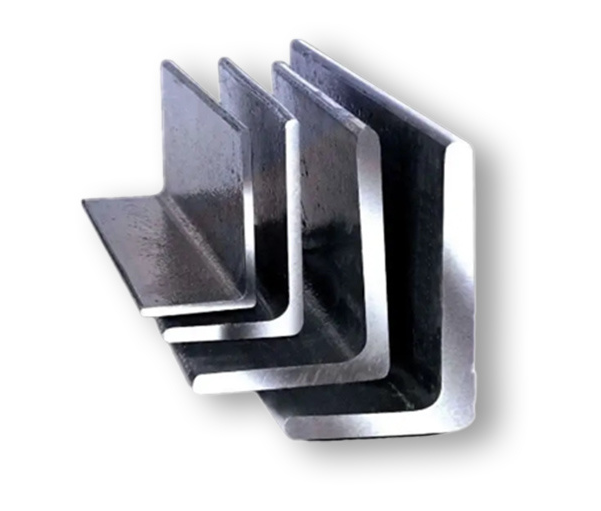
Carbon Steel Unequal Angle Steel
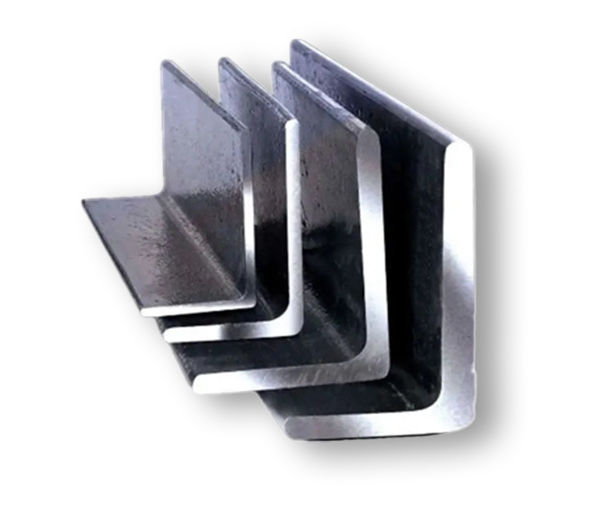
The Carbon Steel Unequal Angle Steel is a versatile structural section characterized by its L-shaped cross-section, where the two legs (or flanges) are of unequal length. Unlike equal angles, this configuration provides a distinct asymmetry that allows engineers and fabricators to optimize weight and strength distribution in specific directions. Typically manufactured from low-carbon steels such as Q235B (China Standard) or ASTM A36 (USA Standard), this product offers an excellent balance of strength, ductility, and weldability, making it a fundamental component in light to medium-duty structural applications.
Manufacturing Process
Unequal angle steel is primarily produced through two methods:
Hot Rolling: This is the most common production route. A billet of carbon steel is heated above its recrystallization temperature and then passed through a series of rollers that shape it into the L-profile with unequal legs. Hot rolling ensures a uniform grain structure and excellent mechanical properties throughout the section.
Cold Forming (Bending): In this process, a flat strip of hot-rolled or cold-rolled steel plate is bent into the L-shape at room temperature. While this method offers tighter tolerances and a better surface finish, the resulting angles may have slightly lower structural performance compared to hot-rolled equivalents unless subsequently heat-treated.
Key Features & Advantages
Optimized Section Modulus: The unequal leg design allows the angle to resist bending moments more effectively about one axis, providing tailored structural support where needed.
High Strength-to-Weight Ratio: Provides robust structural support without the excess weight of a symmetrical section, leading to material cost savings.
Excellent Weldability & Machinability: The low-carbon content of standard grades like Q235B and A36 allows for easy welding, cutting, drilling, and bolting on-site.
Cost-Effectiveness: As one of the most economical structural steel shapes, it is ideal for large-scale projects and general fabrication.
Versatile Connection: The two legs provide convenient surfaces for bolting or welding to other structural members or plates.
Common Standards & Specifications
Unequal angle steel is manufactured to meet various regional and international standards to ensure consistency and interoperability:
China: GB/T 706 - Hot-rolled Unequal Angle Steel
USA: ASTM A36 / A572 Gr.50
Europe: EN 10056-1 - Structural Steel Equal and Unequal Leg Angles
Japan: JIS G3192 - Hot Rolled Steel Sections
Primary Applications
Due to its adaptability and economic benefits, unequal angle steel is used across a wide spectrum of industries:
Building & Construction: Used as lintels, framing members, roof trusses, and stair stringers where asymmetric loading occurs.
Industrial Fabrication: Manufacturing of machine frames, conveyor supports, brackets, and jigs.
Shipbuilding & Marine: Structural stiffeners and framework components within vessels.
Transmission Towers: Legs and bracing members for electrical pylons and telecommunication towers.
Agriculture: Frames for trailers, gates, and farming implements.
Conclusion
The Carbon Steel Unequal Angle Steel is a pragmatic and efficient solution for structural engineers and fabricators. Its unique geometry provides targeted strength where it is most needed, minimizing material usage without compromising safety. Whether used in the framework of a warehouse or the chassis of a heavy truck, it remains an indispensable, cost-effective workhorse in the world of structural steel.
Previous:Stainless Steel I-Beam
Next:Carbon Steel C Groove Steel
