Cryogenic Pipe
Cryogenic piping refers to specialized pipeline systems engineered for the safe and efficient transport of liquefied gases at extremely low temperatures, typically ranging from -40°C to -270°C. These systems are crucial for handling media such as Liquefied Natural Gas (LNG), liquid nitrogen, liquid oxygen, liquid argon, and liquid helium. Unlike standard industrial piping, cryogenic lines are designed to withstand the severe thermal stresses and material brittleness associated with deep-freeze environments, ensuring that volatile liquids reach their destination without phase change or safety hazards.
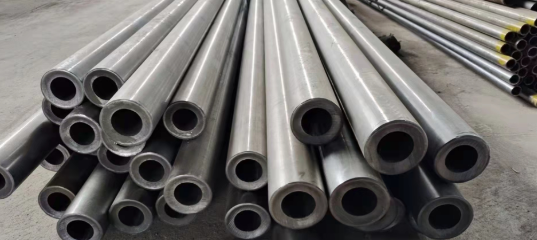
Product Features and Advantages
Vacuum Jacketed Design: The core of modern cryogenic piping is the "pipe-within-a-pipe" structure. The inner core is surrounded by an outer jacket, with the annular space evacuated to a high vacuum and often wrapped in multi-layer insulation. This design virtually eliminates heat transfer, significantly reducing the evaporation (boil-off) of the transported liquid.
Superior Material Selection: These pipes utilize materials with exceptional low-temperature toughness, such as Austenitic Stainless Steels (e.g., SS304, SS316L) or specialized low-temperature carbon steels (e.g., ASTM A333). This ensures the pipeline remains ductile and resistant to brittle fracture even at cryogenic temperatures.
Safety and Stability: By maintaining a vacuum seal, the system prevents external moisture from freezing on the inner pipe and stops oxygen from condensing in the insulation, which could pose a fire hazard. Additionally, flexible cryogenic hoses are often integrated to absorb thermal contraction and vibration, enhancing the overall stability of the piping network.
Compact and Efficient: Compared to traditional insulation methods (like foam or mineral wool), vacuum-insulated piping offers superior thermal performance with a smaller outer diameter, saving space and installation costs.
Product Applications
Industrial Gases & Air Separation: Essential for transporting liquid nitrogen, oxygen, and argon from air separation units to storage tanks and points of use in manufacturing and chemical plants.
Energy & LNG Sector: Widely used in LNG receiving terminals, liquefaction plants, and gasification stations for the transfer of liquefied natural gas.
Healthcare & Biotechnology: Used in hospitals and research facilities for the supply of liquid oxygen for respiratory therapy and liquid nitrogen for cryotherapy and the preservation of biological samples.
High-Tech & Aerospace: Critical for cooling systems in superconductors, MRI machines, and rocket propulsion systems that rely on liquid hydrogen or oxygen.
Previous:Alloy Steel Pipe
Next:Cold Storage Pipe
