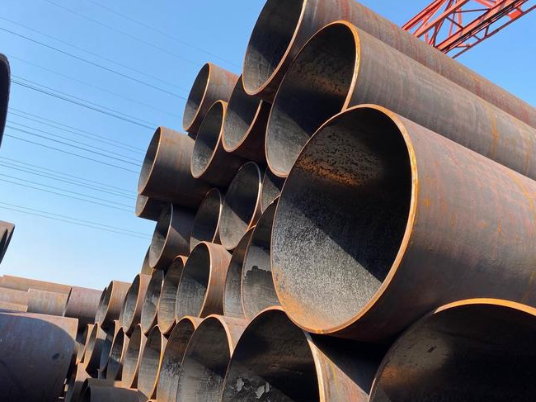
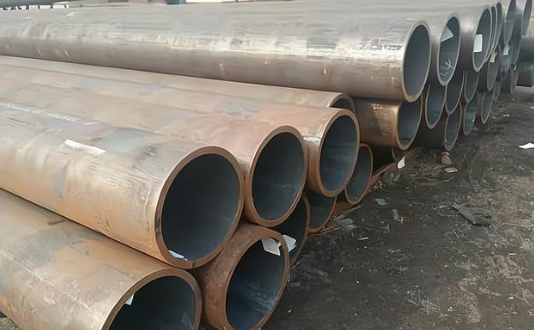
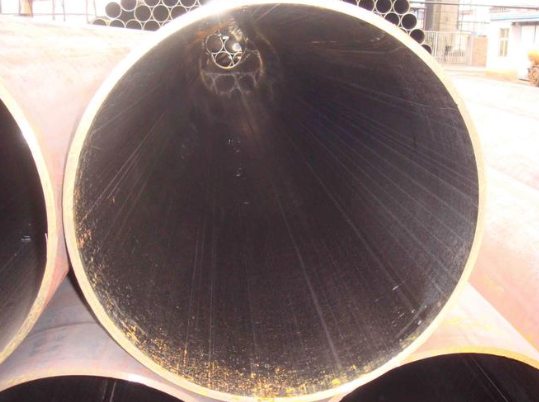
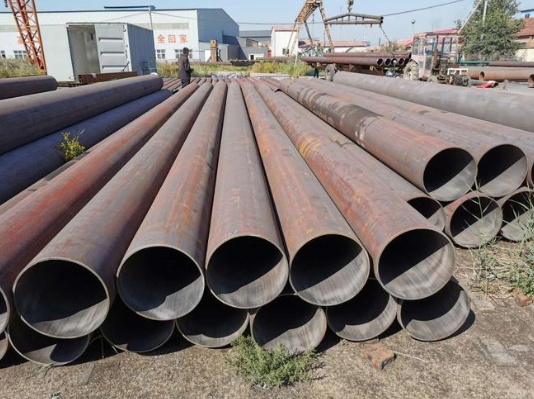
Hot-Expanded Steel Pipe
Product Description
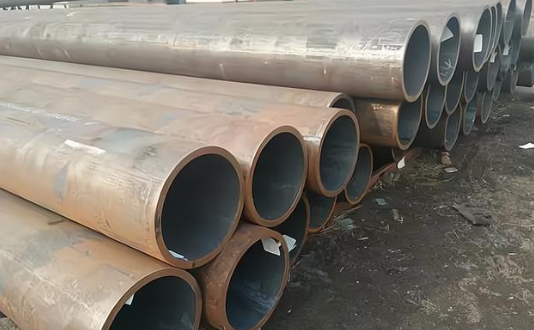
Hot-Expanded Steel Pipe is a specialized large-diameter piping solution manufactured by thermally expanding a smaller-diameter seamless steel pipe (the mother tube). The process involves heating the base pipe to a specific temperature (typically between 850°C and 950°C) and then mechanically expanding it to the desired larger diameter using a mandrel or die. This technology allows for the production of large-diameter seamless pipes that are difficult or impossible to manufacture through traditional hot-rolling methods. The resulting pipe retains the seamless nature of the original material, offering a cost-effective alternative to large-diameter welded pipes for structural and low-pressure fluid applications.
Features & Advantages
Large Diameter Capability: Capable of producing large diameters (typically ranging from DN300 to DN1000 or more) from standard seamless stock, filling the gap between standard seamless pipes and welded pipes.
Seamless Structure: Unlike spiral or longitudinal welded pipes, the hot-expanded pipe maintains a seamless body (inherited from the mother tube), eliminating the risk of weld seam defects.
Cost-Effective: Significantly cheaper than manufacturing large-diameter pipes using heavy machinery or extrusion, offering a budget-friendly solution for large-scale projects.
Good Mechanical Properties: The heat treatment involved in the expansion process can help relieve internal stresses and refine the grain structure, ensuring good toughness and ductility.
Customizable Dimensions: The process offers flexibility in adjusting wall thickness and diameter ratios to meet specific engineering requirements.
Product Applications
Structural Engineering: Widely used as support columns, pillars, and trusses in stadiums, airports, and exhibition halls due to their large diameter and aesthetic seamless appearance.
Piling Pipes: Suitable for construction foundation piles where high pressure resistance is not the primary concern, but structural strength is key.
Water Conservancy: Used in large-diameter water diversion and drainage pipelines.
Wind Power: Often used for the towers and structural supports in wind power generation facilities.
General Fluid Transport: Applicable for low-pressure water, air, and gas transmission lines where large diameters are required.
Previous:Low and Medium Pressure Fluid Pipe
Next:Cold Drawn Steel Pipe
